


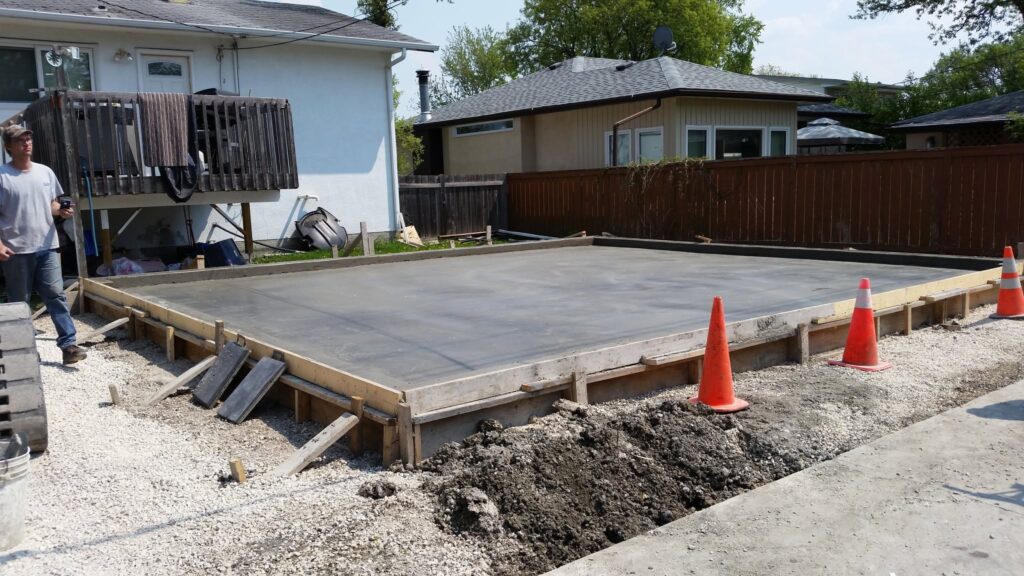
Winnipeg winters can be tough on outdoor surfaces, which makes concrete sealing in Winnipeg, Manitoba an important consideration for homeowners who want to protect their driveways, patios, sidewalks, and decorative concrete. Snow, moisture, freezing temperatures, de-icing materials, vehicle traffic, and seasonal temperature changes can all contribute to gradual surface wear.
So, how often should concrete be sealed? For many outdoor concrete surfaces, resealing every 2 to 5 years is a practical general guideline. However, the right schedule depends on the type of sealer, traffic levels, weather exposure, and the condition of the concrete. Concrete exposed to frequent freeze-thaw cycles or heavy vehicle traffic may require attention sooner.
At Angelo’s Contracting, we understand that maintaining concrete in Winnipeg requires considering local conditions rather than following a one-size-fits-all schedule.
What Is the Recommended Concrete Sealing Schedule in Winnipeg?
Most concrete does not need to be sealed every year. A typical resealing interval is approximately every 2 to 5 years, although some surfaces may need more or less frequent maintenance.
The best approach is to inspect your concrete each year and watch for changes in how the surface looks and handles water.
For example, a residential patio that receives moderate foot traffic may maintain its protective sealer longer than a driveway exposed to vehicles, snow clearing, moisture, and winter contaminants.
For concrete sealing in Winnipeg, Manitoba, consider these factors when determining a schedule:
- Type of concrete sealer
- Amount of vehicle or foot traffic
- Exposure to rain, snow, and moisture
- Freeze-thaw conditions
- Age and condition of the concrete
- Previous maintenance
- Whether the surface is plain, stamped, or colored
Rather than resealing automatically based only on age, evaluate the actual condition of the surface.
Why Is Concrete Sealing Important in Winnipeg’s Climate?
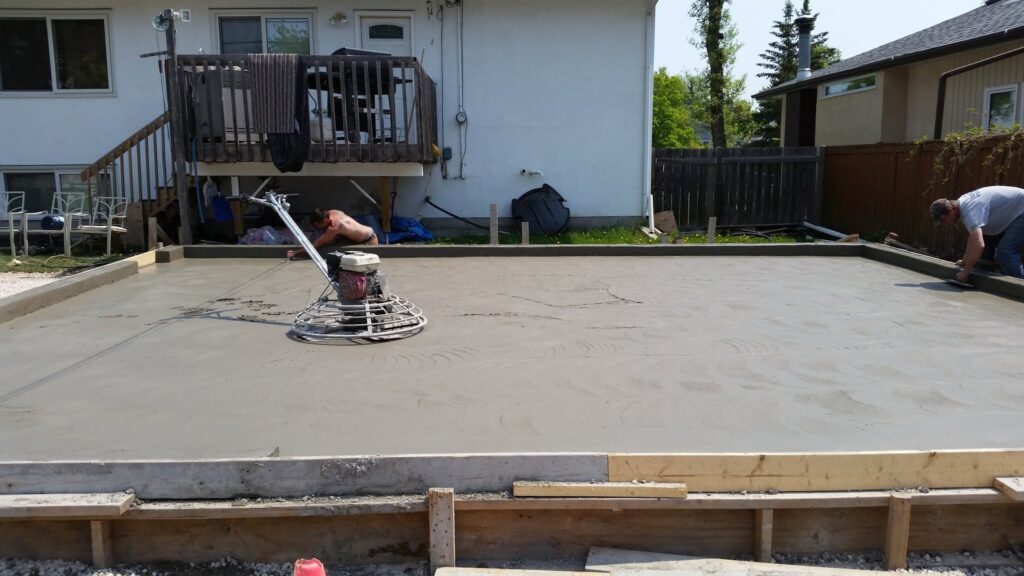
Concrete is a durable material, but its surface can still absorb moisture when left exposed. That becomes particularly relevant in a climate where temperatures regularly move above and below freezing.
Freezing and thawing of saturated concrete can contribute to deterioration, while some de-icing salts may also create durability problems. The American Concrete Institute notes that reducing saturation and limiting the penetration of aggressive solutions can help reduce certain types of freeze-thaw and joint deterioration.
A suitable sealer can help reduce the penetration of water and contaminants into the surface.
Proper concrete maintenance in Winnipeg can therefore help protect appearance and limit premature surface deterioration. However, sealing should be viewed as preventive maintenance—not as a solution for structural cracks, settlement, poor drainage, or an improperly prepared base.
What Determines How Often Concrete Needs to Be Resealed?
There isn’t one maintenance schedule that works for every Winnipeg property. Several factors affect how often concrete should be sealed.
Type of Concrete Sealer Used
Different sealers perform differently.
Penetrating sealers enter the concrete and help reduce the penetration of moisture and contaminants, while film-forming products create a protective layer on the surface. Decorative concrete may also use sealers designed to enhance color or appearance.
Because product performance varies, always follow the manufacturer’s recommendations when determining how long concrete sealer lasts.
Vehicle and Foot Traffic
Traffic is another important consideration.
A driveway receives repeated vehicle loads, tire movement, snow removal, and everyday abrasion. As a result, concrete driveway sealing in Winnipeg may need to be evaluated more frequently than sealing on a lightly used backyard patio.
Commercial surfaces and busy walkways may also experience faster wear.
Winnipeg Weather Exposure
Outdoor concrete in Winnipeg has to deal with seasonal extremes.
Snow accumulation, moisture, freezing temperatures, freeze-thaw cycles, sunlight, and temperature fluctuations can gradually affect exposed surfaces.
This makes concrete winter protection in Winnipeg particularly important for surfaces that regularly collect water or remain exposed to winter conditions.
Surface Condition and Age
An older, weathered surface may absorb water differently from relatively new concrete.
Previous sealers, surface wear, existing cracks, drainage problems, and the overall condition of the slab should all be inspected before deciding whether resealing is appropriate.
How Do You Know When Concrete Needs to Be Resealed?
You don’t necessarily need to wait for a specific number of years.
Instead, look for signs that the existing protection is wearing down.
Common warning signs include:
- Water soaking into the concrete instead of remaining on the surface
- Increased staining
- Fading or discoloration
- Loss of gloss on previously glossy decorative concrete
- Visible surface wear
- Rough or worn areas
- Concrete becoming more difficult to keep clean
These are commonly recognized indicators that a sealed surface may be ready for maintenance.
Can You Do a Simple Water Test?
A basic water test can give homeowners a useful indication.
Place a small amount of water on a clean area of the concrete. If the water remains on the surface or beads up, the existing sealer may still be providing protection. If the concrete quickly absorbs the water and noticeably darkens, the existing protection may be wearing down.
This test does not replace a professional assessment, but it can help determine when concrete needs resealing.
When Is the Best Time to Seal Concrete in Winnipeg?
Weather conditions matter when applying sealer.
Most products require concrete to be clean and sufficiently dry, with suitable air and surface temperatures during application and curing. Because every product has specific requirements, the manufacturer’s instructions should always determine the acceptable temperature range.
For Winnipeg homeowners, warmer and relatively dry periods generally provide more practical conditions than freezing winter weather.
Before starting a project, check:
- Surface temperature
- Air temperature
- Rain forecast
- Concrete moisture
- Required drying or curing time
- Manufacturer application instructions
Choosing the best time to seal concrete can be just as important as choosing the right product.
How Often Should Different Concrete Surfaces Be Sealed?
Different areas of your property experience different levels of exposure.
Concrete Driveways
Driveways typically experience some of the heaviest wear because of vehicle traffic, snow clearing, moisture, and winter exposure.
Homeowners considering concrete driveway sealing in Winnipeg should inspect the surface annually and pay particular attention to water absorption, worn areas, staining, and previous sealer performance.
Concrete Patios
Patios may experience less vehicle-related wear but still face rain, snow, sunlight, stains, and seasonal temperature changes.
Regular concrete patio sealing in Winnipeg can be considered as part of an overall maintenance plan, especially for decorative outdoor living areas.
Stamped and Colored Concrete
Decorative concrete requires attention to both protection and appearance.
Stamped concrete sealing can help maintain the look of patterns and finishes, while proper colored concrete maintenance can help preserve the appearance of decorative surfaces over time.
Angelo’s Contracting offers custom patios, stamped concrete, colored concrete, driveways, and other concrete solutions for Winnipeg and Headingley properties.
What Happens If You Don’t Seal Concrete?
Not every unsealed concrete slab will immediately develop problems. However, exposed concrete may be more susceptible to moisture penetration, staining, contaminants, and gradual surface wear.
In Winnipeg’s climate, limiting moisture penetration can be particularly valuable because saturated concrete is more vulnerable to freeze-thaw-related deterioration.
Still, sealer cannot correct every problem.
If your driveway is sinking, drainage is poor, or significant structural cracking has developed, the concrete may require repair or replacement rather than simply another coat of sealer.
Frequently Asked Questions About Concrete Sealing in Winnipeg
How Long Does Concrete Sealer Last?
Many contractors use approximately 2 to 5 years as a general resealing guideline, although actual performance depends on the product, traffic, weather, and surface conditions.
Should Concrete Be Sealed Every Year?
Usually, no. Annual inspection is useful, but automatically resealing every year may be unnecessary. Check the surface condition and follow the manufacturer’s recommendations.
Is Concrete Sealing Worth It in Winnipeg?
Sealing can be a useful component of Winnipeg concrete maintenance, particularly for reducing moisture and contaminant penetration and maintaining decorative surfaces. Whether it is appropriate depends on the concrete’s condition and intended use.
Can You Seal Concrete During Winter?
Many sealers have minimum temperature and moisture requirements that make winter application difficult. Always follow the manufacturer’s specified application conditions rather than applying sealer simply because the concrete looks dry.
Protect Your Concrete with Angelo’s Contracting
Your driveway, patio, sidewalk, or decorative concrete is a long-term part of your property. Regular inspections and appropriate maintenance can help you identify surface deterioration before it becomes a larger concern.
If you’re unsure whether your concrete needs maintenance, repair, or another solution, Angelo’s Contracting provides professional concrete services for property owners throughout Winnipeg and Headingley.
Discuss your project with a local concrete contractor and determine the right approach for your property’s condition, exposure, and intended use.
- Address: 360 Alboro St, Headingley, MB R4J 1A4, Canada
- Phone: (204) 293-5264
- Email: angelofoti@shaw.ca
- View Angelo’s Contracting on Maps
Request a quote today and give your concrete the professional attention it needs.